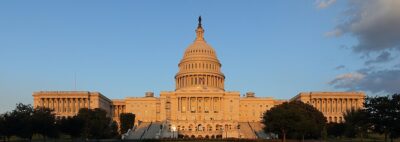
The supreme court on Thursday has ruled in favor the Trump administrations efforts to end Temporary Protected Status (TPS) for more than 334,000 migrants from Haiti and Syria. The Former Homeland Security Secretary Kristi Noem announced the Trump adminstrion was ending TPS for Haiti and Syria, citing conditions were safe for nationals to return, and that it was actually “contrary to the national interest” to allow them to remain. When Haitian and Syrian TPS holders sued to block terminations, lower courts found rulings in their favor and blocked the terminations. The administration appealed to the Supreme Court.
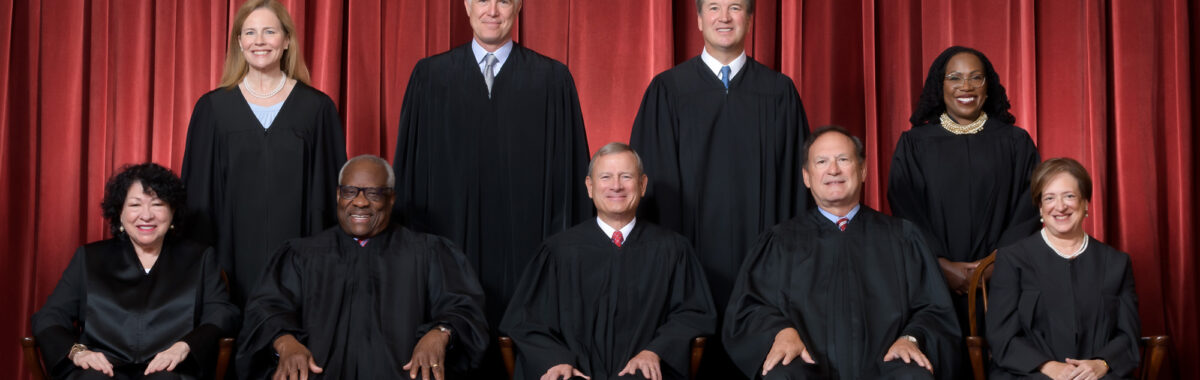
In another 6-3 vote, the conservative majority ruled that the president will have broad authority to end TPS designation for individual countries without courts being able to intervene. More specifically the Court ruled that the TPS law bars judicial review of claims that were brought under federal law. Meaning immigrants from Haiti and Syria cannot use courts to pause deportations while they fight terminations in court.
The consolidated cases are Mullin v. Dahlia Doe, and Trump v. Miot. The court didn’t rule the conditions in Haiti and Syria are safe, it ruled that courts can’t second guess the presidents decision to end TPS, a significant distinction that needs to be made.
This will affect more than a dozen countries that have TPS designations. In this case, Haiti with around 330,000 displaced persons living in the U.S., and Syria with roughly 3,800. The ruling clears a path for the administration to strip the legal status and work authorization from Haitians and Syrians. Something worth noting is depending on how broadly it is read, it could threaten protections for more than a million people from 17 countries.
Justice Elena Kagan, joined by Justices Sotomayor and Jackson wrote the dissent. They said the plaintiffs “deserve better than today’s decision.” Kagan’s core argument was that there was no dispute the plaintiffs would suffer irreparable harm, meaning serious damage that couldn’t be undone without protection while their cases move through the courts.
Context that is important to consider after this ruling is that a judge from a D.C. court, U.S. District Judge Ana Reyes, found it substantially likely that the administration’s decision to end (Haiti’s) TPS was motivated by racial animus in violation of the Constitution’s Fifth Amendment.. Citing statements made by President Trump and former Secretary Noem. SCOTUS also explicitly rejected the racial animus claims, Justice Alito writing specifically: “None of the cited statements by either the President or the Secretary was overtly racial, and in substance all expressed policy views that could rest on race-neutral justifications.”
Whether you believe these rulings are correct or not, is ultimately for you to decide. For those affected the options for legal alternatives are limited and difficult, underlying lawsuits can continue, but the options that remain are slow and unlikely in the near term.
-Elijah Iraheta, Editor in Chief, Saber News